A little hope is often all it takes to begin. Every student arrives with their own history of holding tension, doubt, or old habits, and leaves with more room to move, breathe, and trust themselves again. Paul Klee, Little Hope, 1938
FAQs
-
Alexander Technique Provides:
An opportunity to evaluate one’s physical patterns
An inspiration to remove limiting beliefs and change old habits
An ability to feel centered and recharged
An avenue to acquire practical take-home strategies for improvement
-
The Alexander Technique allows you to:
Befriend yourself through new breath and movement options
Reformulate habits into mindful awareness and choice
Embrace your authentic voice
Discover steps for fearless self expression
Tune up your body, voice and spirit
Stay curious about your reactions to stimuli
Allow ease of body and mind for readiness rather than a muscular prep for a specific outcome
Expand awareness of self, tasks and environment
Shift your unnecessary tension into useful energy
-
The Alexander Technique is for:
All people wanting to discover their authentic selves
Performing artists
Seniors
Business and office workers
Athletes
Health care professionals
Educators
Caregivers
Personal care or service workers
ASL interpreters
Individuals seeking more harmony in daily life for mental and spiritual benefit
Groups or organizations seeking workshops for wellness and ease
-
The Alexander Technique Can:
relieve pain
reduce strain and muscular tension
improve posture and coordination
enhance performance
manage stress
increase range of motion
improve confidence and self-control
enjoy greater mind/body awareness
-
Relief from physical pain, tension or stress
Desire for greater mobility
Reduce anxiety for rehearsal, performance and daily life
Preparations using voice, speech or breathing
Identity
Desire for personal development and curiosity about the mind-body connection
-
Walking or standing
Movement to assist in decreasing pain or anxiety
Acting, singing or dancing
Playing an instrument
Occupational movement
Speaking for business presentations
Injury recovery mobility
Physical awareness of the self
Activities of daily living
-
Through light supportive touch and verbal cues, compassionate observation, and curiosity about how we do what we do, a lesson involves looking at personal movement patterns and how we can consciously change thinking to incorporate new patterns that benefit the whole being. Understanding the head-neck relationship and how this relationship determines how we move, see and use the breath, gives insight into how we carry ourselves and our relationship to gravity. Through a series of lessons, active exploration changes the way you think and respond. The result is an educational process of re-learning inherent thought and movement options which maintain physical and mental flexibility, poise and alleviate unneeded tension.
-
-
Habits are, by their nature, unconscious. Though you may try to effect changes by yourself, it takes the trained eyes and hands of a teacher to help you perceive and change your ingrained patterns. The goal of the teacher is to assist the individual in learning new pathways to ease.
Teachers of the Alexander Technique train for three years, with a minimum of 1,600 hours of class time prior to receiving certification.
-
Medical treatment, physical therapy or set of repetitive exercises
Massage
Chiropractic therapy
Yoga and postures
-
The Alexander Technique is named after the work developed by Frederick Mathias Alexander (F.M.) who was born in Tasmania and became a Shakespearian actor in Australia in the early 1900s. During his recitations of text, he continually encountered vocal stress and became hoarse, many times losing his voice by the end of his performance. Doctors prescribed vocal rest and after time when Alexander performed again, he developed the same vocal distress.
After failing to obtain satisfaction from the medical community for his problem, Alexander decided to study his own speech and movement patterns to see what he might be doing to send him into distress. By setting up a series of mirrors, he realized he was gasping for air and pulling his head back and down prior to speaking. His personal trials and discoveries developed his understanding of psycho-physical unity or the mind-body connection and how freeing the head-neck relationship allowed him to return to his body’s inherent function. Alexander was able to stop or pause prior to the start of his recitation and “inhibit” or un-do the movement and breathing that would cause his distress.
He began to teach these techniques in Australia, London and then the United States. Training programs throughout the world now provide three year training opportunities of study for Alexander Technique teachers. Curriculum includes anatomy, breathing and understanding the light touch which guides a student to notice use of movement and breath. Learn more about the Alexander Technique.
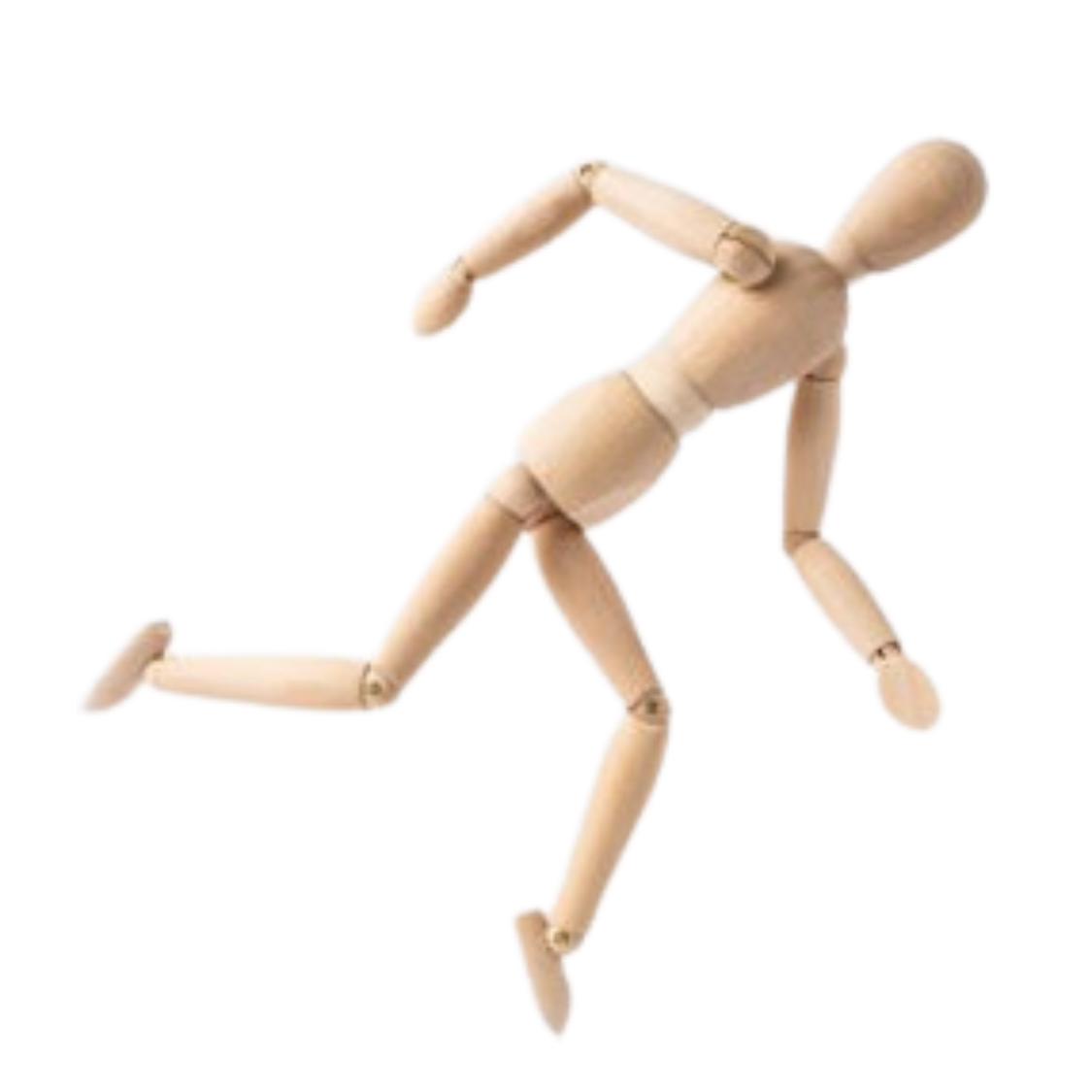
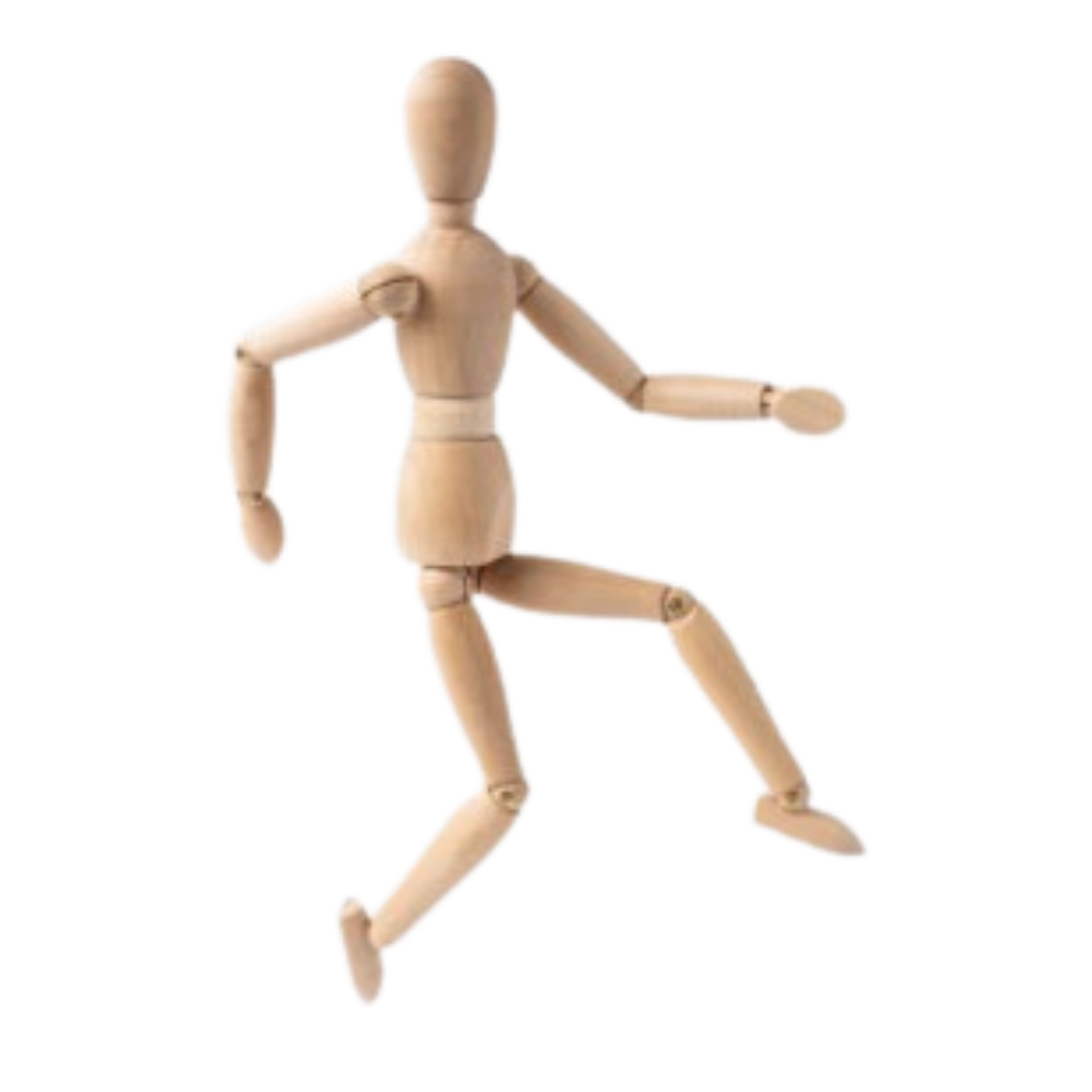
Alexander Technique can free the imagination which in turn, frees the body…